

Three Day Hands-on Training Workshop on Mediation & Negotiation: Skills and Strategies
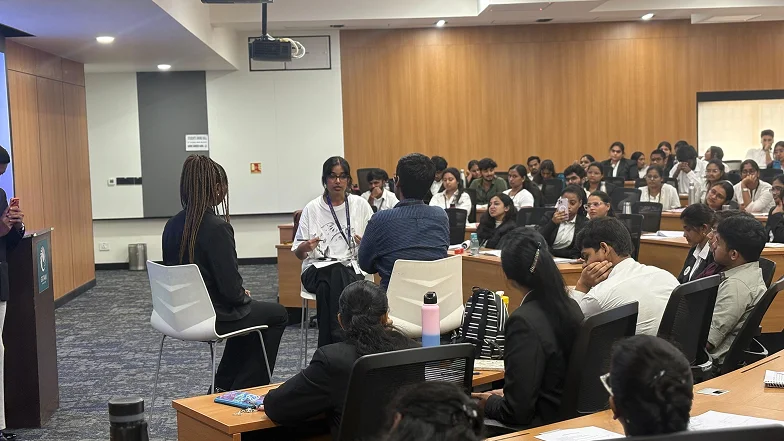
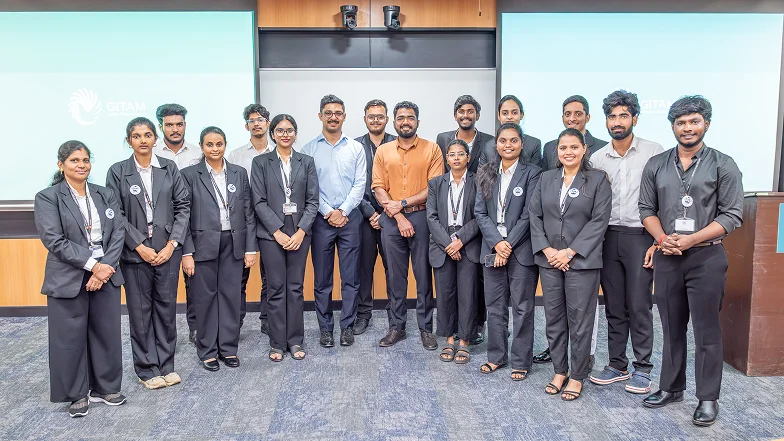
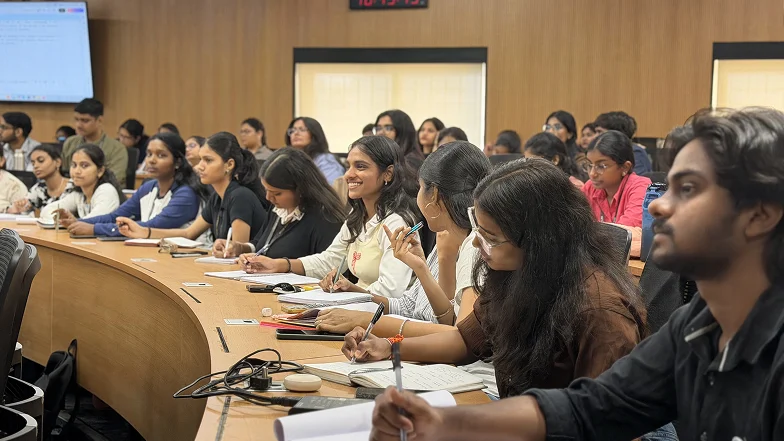
The GITAM School of Law – Mediation Centre (GSL-MC) organised a three-day training workshop on “Mediation & Negotiation: Skills and Strategies” from 16th to 18th February 2026. The programme was designed to provide participants with a practical understanding of mediation, negotiation, communication, and Alternative Dispute Resolution (ADR).
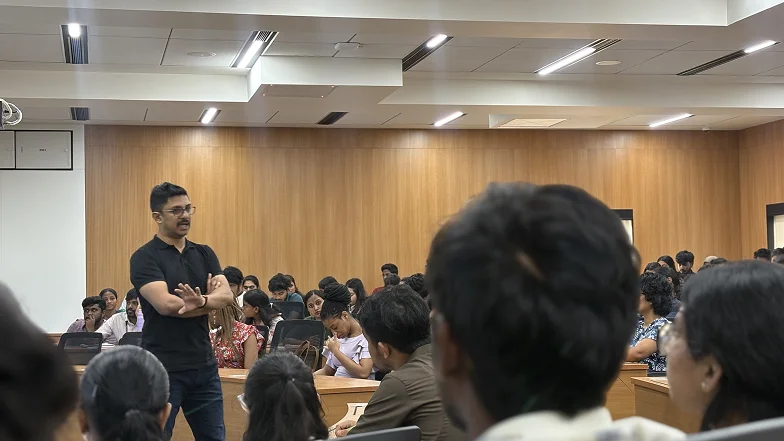
The workshop which combined conceptual discussion with interactive exercise and stimulations was led by Dr Akshay Verma, assistant professor of law, National Law University Odisha and a certified mediator.
Day 1 — Foundations of ADR & Effective Communication
The first day introduced participants to the fundamentals of Alternative Dispute Resolution (ADR) and the role of effective communication in mediation and negotiation. The session explored the distinction between disputes and conflicts, helping participants understand how underlying interests, needs, and concerns can shape disagreements.
Particular emphasis was placed on paralinguistic communication, including tone, pitch, pace, pauses, and volume. Participants examined how these elements influence rapport, empathy, emotional management, and the effectiveness of communication in dispute-resolution settings.
The day combined conceptual learning with interactive discussions, establishing a foundation for the practical negotiation skills explored during the subsequent sessions.
Day 2 — The Art & Science of Negotiation
The second day focused on the art and science of negotiation, introducing participants to the structure, styles, strategies, and techniques involved in effective negotiation.
The session covered the four stages of negotiation: Preparation, Opening, Bargaining, and Closing, along with different negotiation styles including Defeat, Accommodate, Compromise, Collaborate, and Withdraw.
Participants were also introduced to practical techniques such as Salami Tactics, Deadlines, Good Guy/Bad Guy, and Limited Authority, as well as different bargaining approaches including Rights-based, Positional, Distributive, Interest-based, and Integrative Bargaining.
Key strategic concepts such as BATNA, WATNA, MLATNA, Bottom Line, and ZOPA were discussed to help participants understand alternatives, negotiation limits, and potential areas of agreement.
The day concluded with style-profile exercises and practical simulations, allowing participants to reflect on their own negotiation approaches and apply the concepts discussed.
Day 3 — Experiential Negotiation & Practical Application
The final day focused on putting negotiation principles into practice through experiential learning and simulated exercises. Participants were encouraged to apply the strategies and concepts introduced during the workshop to realistic negotiation scenarios.
Through role plays, simulations, and interactive exercises, participants experienced the dynamics of negotiation, including managing competing interests, identifying underlying concerns, evaluating alternatives, and working towards mutually acceptable outcomes.
The practical sessions reinforced the importance of preparation, active communication, strategic thinking, adaptability, and empathy in effective negotiation and dispute resolution.
The three-day programme concluded by connecting the conceptual foundations of ADR with practical negotiation skills, providing participants with a stronger foundation for approaching disputes through constructive communication, strategic negotiation, and collaborative resolution.
Gallery